

.jpg?version=19610)
Let me introduce myself
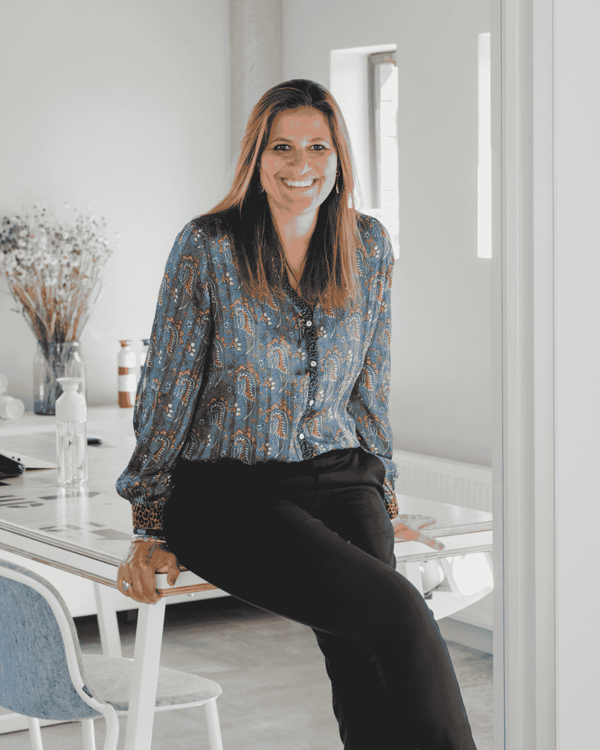
My name is Isabella Tielen and I have been working as Sustainability Officer at Quooker since January 2024. In this role, I get to deal with a variety of topics every day: from legislation and making our logistics and products more sustainable to improving the well-being of our employees. No two days are the same, and it is precisely coming up with new solutions and driving change that gives me so much energy.
Can you briefly tell us about the history of the company? And how big your organisation and market are?
Quooker is a true family business that was founded in the 1970s when Henri Peteri came up with the idea for the boiling water tap. In 1970, he started developing the first prototypes in his basement. His sons Niels and Walter Peteri expanded the company further. We introduced the first Quooker in 1992, and we have continued to innovate ever since. What once started as an innovative idea in the Netherlands has grown into an international company. We now produce more than 300,000 Quooker systems annually and deliver our products to 17 countries. Quooker employs more than 900 people worldwide, with the majority of our colleagues based at our head office and factory in Ridderkerk.
What is your organisation doing to reduce its plastic footprint? And since when?
Since the introduction of the Quooker CUBE in 2018, we have been actively committed to reducing our plastic footprint. The CUBE is a chilled water reservoir that allows you to expand your Quooker system so that you can tap not only boiling water, but also chilled and sparkling water directly from your tap. This means that customers no longer need to buy plastic bottles of (sparkling) water, which contributes to reducing the use of plastic bottles. In addition, the CUBE is equipped with a hollow fibre filter that filters microplastics out of the water. In this way, we not only contribute to reducing plastic pollution, but also ensure cleaner water for our users.
Why do you think this is important?
It is now clear that we need to do something about the plastic problem, both for the environment and our health. And what could be better than innovations that really offer a solution to this problem? At Quooker, we believe it is important to do our bit. We would love to see more companies take up this challenge, so that together we can develop more and more smart products that combat plastic pollution.
What do you like most about sustainable entrepreneurship?
I love seeing how much is happening in the field of sustainability at the moment. More and more legislation is being introduced, more and more companies are being set up with a sustainability vision, and this is leading to numerous sustainable innovations. It's great fun to respond to the challenges and opportunities that sustainability brings. For me, it is important to be involved in making a positive impact, both for people and for the environment. This gives me a sense of satisfaction and motivates me to contribute to a more sustainable future.
What advice would you give to other entrepreneurs who want to become more sustainable?
I believe that entrepreneurs should see sustainability as an opportunity rather than a problem. It offers enormous opportunities to be innovative and come up with new solutions that are good for both the company and the planet. In addition, it is crucial to inspire and motivate employees to embrace sustainability thinking. If you focus on sustainability together as an organisation, you can really make a difference.
What do you personally do to reduce your plastic footprint?
For me, it's in the little things. I try to be conscious about my use of plastic by, for example, not buying plastic bottles of water, but always bringing my own water bottle with me. I also don't buy a new bag every time I go to the supermarket, but use reusable bags that I already have and don't use disposable plastic.
What achievable sustainability tip do you often give to people around you?
I often advise people to make small changes to their daily routine, as I just mentioned. These are not major changes and they don't really inconvenience you at all. But if we all do these little things, it can have a huge impact.
How do you view the future in relation to this topic?
Even though we currently live in an uncertain world, I remain positive about the future. I think it's especially important that we continue to engage in dialogue with each other and that we continue to work together. If we join forces, great things can happen. The Plastic Soup Foundation's business community is a good example of this. By working together with other companies and organisations, we can bring about real change and tackle the challenge of plastic pollution.
What do you personally do to reduce your plastic footprint?
For me, it's in the little things. I try to be conscious about my use of plastic by, for example, not buying plastic bottles of water, but always bringing my own water bottle with me. I also don't buy a new bag every time I go to the supermarket, but use reusable bags that I already have and don't use disposable plastic.
What achievable sustainability tip do you often give to people around you?
I often advise people to make small changes to their daily routine, as I just mentioned. These are not major changes and they don't really inconvenience you at all. But if we all do these little things, it can have a huge impact.
How do you view the future in relation to this topic?
Even though we currently live in an uncertain world, I remain positive about the future. I think it's especially important that we continue to engage in dialogue with each other and that we continue to work together. If we join forces, great things can happen. The Plastic Soup Foundation's business community is a good example of this. By working together with other companies and organisations, we can bring about real change and tackle the challenge of plastic pollution.
What is your view on the current focus on CO2 reduction versus the attention given to reducing plastic footprints and climate change?
I think both are important and that you have to look at where you can make the most impact. CO2 reduction, plastic footprints and climate change are all interrelated, but it depends on your business where you should focus first. For some companies, the greatest gains lie in reducing CO2 emissions, while for others, reducing plastic or saving water may be more important. Ultimately, it's about setting the right priorities, depending on your own impact, but we need to be conscious of everything we do in order to make a real difference.
What do you think is the biggest misconception about sustainability that you would like to dispel?
The idea that sustainability is a “nice to have” is absolutely wrong. It is now simply necessary to integrate sustainability into your business. If you don't, you will fall behind in terms of both customer expectations and regulatory requirements. Customers increasingly expect companies to treat the environment responsibly, and legislation is also becoming stricter. So it is no longer a choice, but a must for companies that want to continue to grow and remain relevant in the future.
_(2).png)

_(1).png)