

Can you introduce yourself?
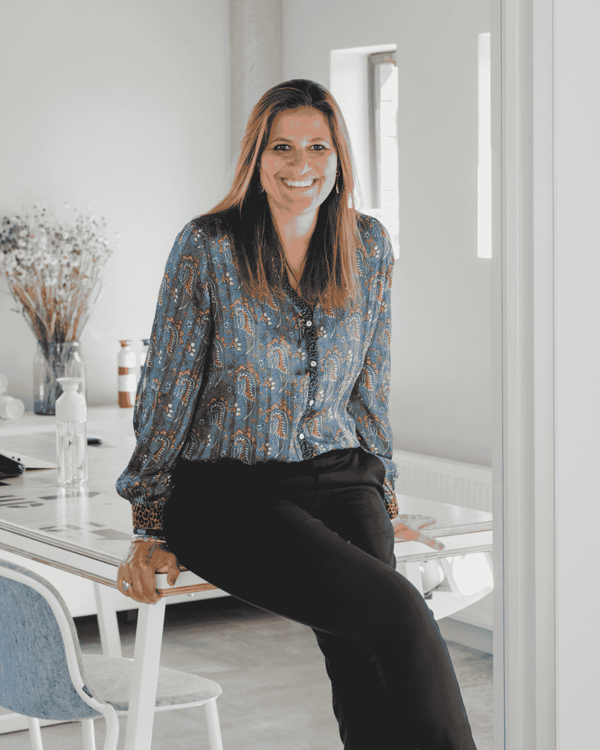
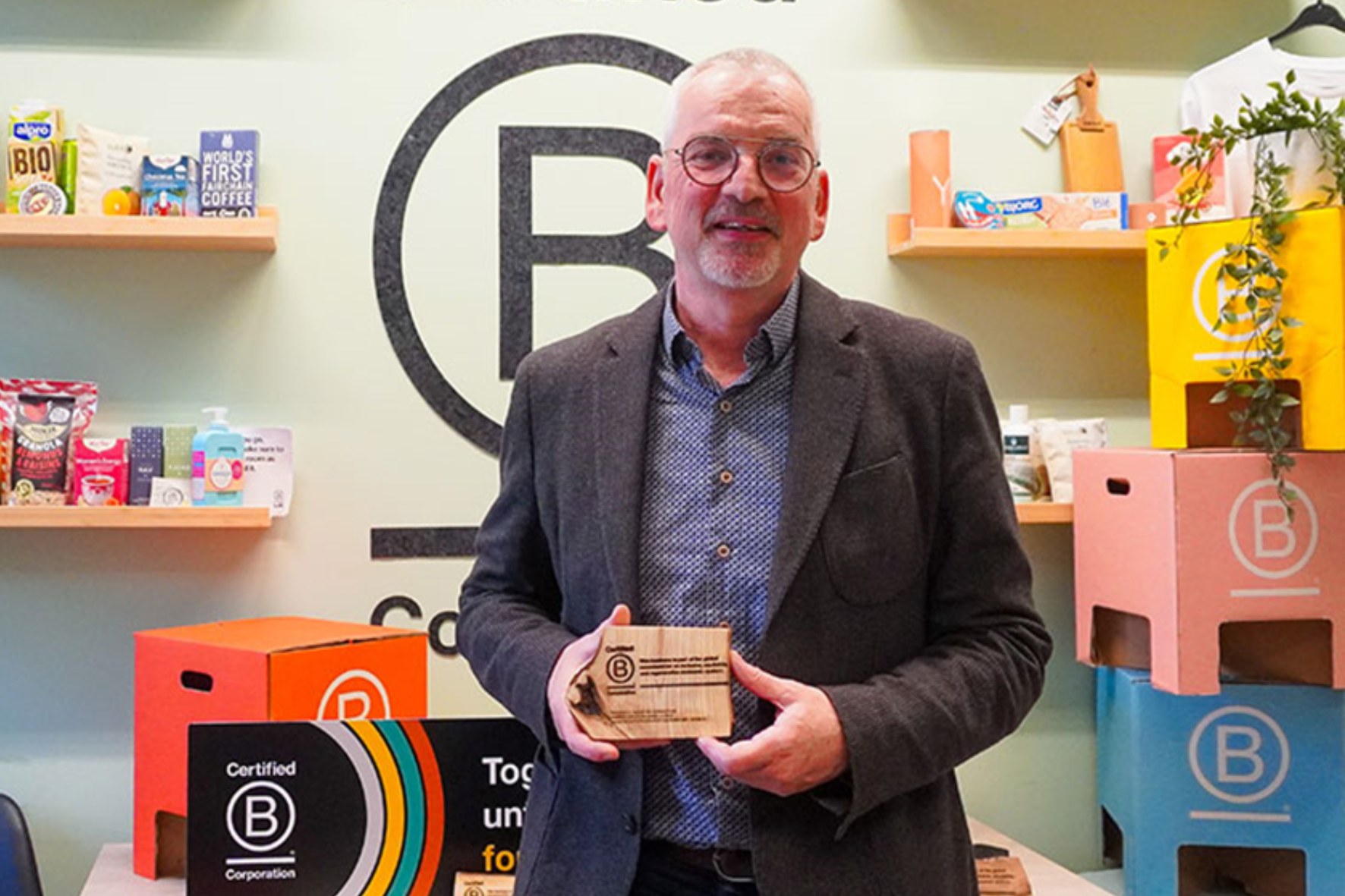
My name is Marcel Tijhuis. I have been the director of Précon Consulting Group since 2016.
Can you tell us a little more about Précon? What do you do?
Précon is a consulting and training agency with over 100 professionals that helps companies in the areas of food safety, product safety, and sustainability. Our approach focuses on imparting knowledge and skills to clients so that they can take the right steps in their daily work. Training is therefore an important pillar of Précon's services.
In addition, we have invested heavily in software solutions in our field so that our customers have access to useful tools to work more efficiently. These include the Non-food Navigator and the Food Law Guide, two tools that help you remain compliant with non-food and food legislation, or Gino for risk analysis (HACCP) and Quasydoc for quality management.
We have been operating in the Netherlands (Bunnik) for more than 30 years and have also had an office in Antwerp since 2017.
What is Précon doing to reduce its global plastic footprint? And since when?
We encourage colleagues to make conscious choices about the use of plastic. For example, every new Préconner receives a stylish metal lunch box on their first day at work, to avoid the use of plastic bags for the lunch they take with them to clients and the office.
We also do not serve snacks or drinks in plastic packaging during the training courses we give. We have cans of drinks, jugs of water, and chocolates from Tony Chocolonely in paper packaging. Lunch is delivered in wooden boxes, which the caterer takes back with them each time.
But that's not all. Our packaging experts also help various companies make more sustainable packaging choices based on the latest packaging legislation.
Why do you think it is important to work on this?
In addition to making choices in your personal life that reduce your plastic footprint, we believe that Précon can make an even greater impact by helping our customers make better choices. Plastic has played a major role in improving food safety in recent decades, thanks to packaging that protects food products effectively. But how can we reduce single-use plastic without compromising food safety?
That is an issue to which we are happy to contribute.
What do you like most about sustainable entrepreneurship, and what tips do you have for other entrepreneurs?
The best thing about sustainable entrepreneurship, in my opinion, is that we can actually contribute to the transition to a better world. I would advise other entrepreneurs to start with their own organization: make sure that the internal organization gets moving. The support of employees is essential for improvements to really take root. And join a sustainable movement, such as B Corp, so that you become part of a larger whole and can strengthen each other.
What are you personally doing to reduce your plastic footprint?
I no longer use sandwich bags and plastic carrier bags. I now use plastic-free deodorant, shaving, and shower products. I also read the labels when buying clothes, looking for natural ingredients. Inspired by my daughter, I now also visit the Kilo store for vintage clothing.
What sustainable tip do you often give to people around you?
Start with small steps that suit you. Don't be put off by pessimistic comments such as "Why do you take the train and drive an electric car when you still eat meat?" Every improvement counts.
How do you see the future in this area?
Behavioral change is inevitable. How we ensure that consumers also make a sustainable transition is still unclear. Unfortunately, this is happening very slowly, and I think we need legislation, among other things, to really make progress. Fortunately, I see more social movement toward change among younger generations, and there are wonderful examples of companies doing the right thing. Just look at how big the B Corp movement already is.
How do you see the balance between CO2 reduction and attention to plastic pollution?
My main motivation for reducing plastic is to cut down on waste and (air) pollution. The fact that this also reduces your carbon footprint is a welcome bonus.
What do you think is the biggest misconception about sustainability?
That sustainability costs money. I think the opposite is true. Sustainability is also about quality products that last longer and preventing waste. Sustainability is also, of course, about how you treat people: social impact.
What do people really need to know about plastic pollution?
That it is everywhere. I never realized how much pollution is caused by clothing because of the plastic components that break down into microplastics, polluting washing water and air and impacting our health.
Where do you see yourself in 5 to 10 years in terms of sustainability and plastic footprint?
I hope it will become easier to make sustainable choices because it will be transparent which products have a positive impact on the planet. Right now, that is often completely invisible. That will make it even easier for me to do the right thing.
_(2).png)

_(1).png)