

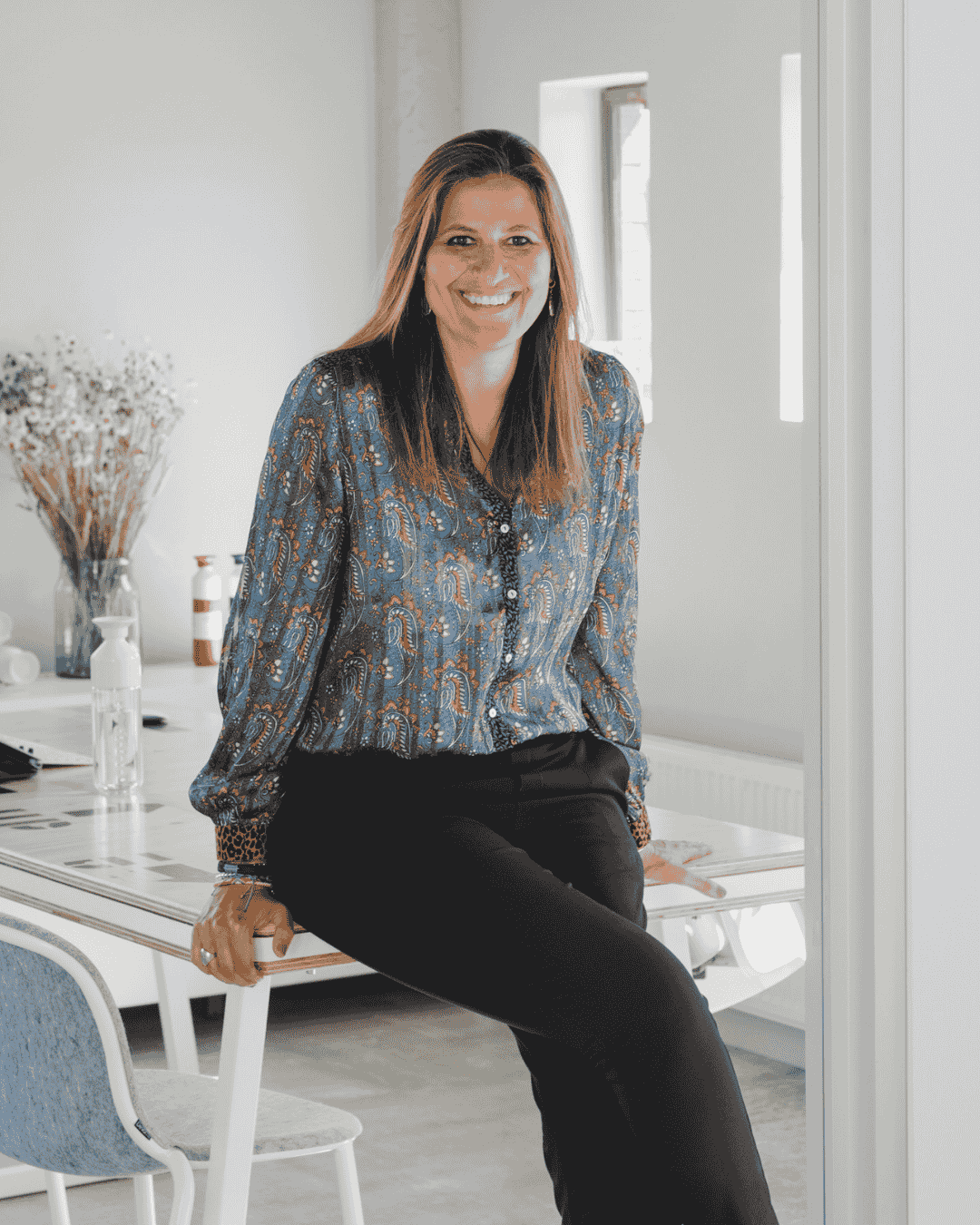
Can you introduce yourself?
Since 2017, I have been the CEO of Dopper. I was born in Argentina, a country where water scarcity is a tangible reality. At the age of thirteen, I was already involved in projects providing people with access to clean drinking water. Some had to walk five hours to collect water—an experience that deeply impacted me and has always stayed with me. That experience is in my DNA and remains my driving force. So, a company dedicated to making tap water the norm is the only right place to be.
I believe that when you think something should be different, you must take action. This simple but powerful statement opened my eyes to possibilities, not just problems.
Can you briefly tell us something about the history of Dopper?
Our founder, Merijn Everaarts, was sick of seeing plastic water bottles polluting the sea. He started a movement—a call to action for people to stop drinking packaged water. Merijn wanted to give people an alternative to single-use plastic, and in 2010, the first Dopper bottle was born. Since then, we have continued our mission by creating more solutions to end packaged water and encourage people to drink tap water. In the past 15 years, we have prevented the use of 5.1 billion single-use bottles.
What does Dopper do to reduce the global plastic footprint?
We offer the alternative to packaged water. We are frontrunners in our industry and the only mission-driven company striving for system change—tackling every level of the system: governments, businesses, and individuals alike. We create systematic impact through our water taps, public tap mapping, and lobby projects.
And we also do our own homework: our entire bottle collection is Cradle to Cradle certified, we are B Corp Certified, and we were the first bottle brand to launch a Digital Product Passport. We are also a member of 1% for the Planet, meaning we donate 1% of our revenue to environmental causes.
Why is this so important?
Dopper exists to solve something, not to sell something. We exist to solve the problems caused by packaged water and the pollution it creates in our world’s waters. We believe that with a simple change in behavior, a big problem can be solved. It’s possible—together we can do it.
What do you like most about sustainable entrepreneurship?
I feel responsible for the world I live in—I’m not just a bystander. I have a personal mission to contribute to a better world, and I’m grateful that I get to do that every day.
What advice would you give other entrepreneurs who want to become more sustainable?
My main advice: stay true to your mission and be bold! Start with your impact, not your product. Be ready to make tough decisions that favor your mission over short-term wins. Build transparency into everything and surround yourself with people who challenge you to do better.
What do you personally do to reduce your plastic footprint?
When you truly care about something, you work harder to protect it. I believe in solidarity—standing together and supporting others who are working toward the same goal. That can mean contributing to one of my children’s school projects or making sustainable choices in everyday life. Staying fit, healthy, and energized also helps me show up fully and make a real impact.
What simple sustainability tip do you often share with others?
Buy less stuff! Declutter and focus on what truly adds value.
What’s your vision for the future in this area?
We’ve come a long way, but there’s still much to be done. Recently, Stientje van Veldhoven put it perfectly:
“Tackling the climate challenge is a bit like climbing a mountain. Looking back on that climb, we see the remarkable achievements we once thought impossible. But looking up, we see that humanity continues to consume as if we had almost two planets. To turn the tide, we must bridge silos, listen across divides, and design solutions that meet both short- and long-term needs.”
What’s your view on the focus on CO₂ reduction versus plastic pollution?
Focusing on CO₂ reduction is extremely important—but for me, there’s no “versus” here. Both CO₂ reduction and tackling plastic pollution are crucial, and to me they are interconnected.
What’s the biggest misunderstanding about sustainability you’d like to correct?
One of the biggest misunderstandings about sustainability is that it’s someone else’s responsibility. Don’t wait until someone else takes action—start with what you can do yourself. The effects of ignoring sustainability impact all of us, so every contribution counts.
Another misconception is treating sustainability as just a marketing label. True sustainability should be the driving force behind your entire business—fully integrated into everything you do.
What do people really need to know about plastic pollution?
The OECD states that “Almost two-thirds of all plastic waste comes from applications with lifespans of less than five years: packaging (40%), consumer products (12%), and textiles (11%).” We believe people can play a vital role in reducing this amount: every refill and every conversation helps spread the message. Our community proves that individual choices can create collective impact. Since Dopper’s launch in 2010, together we’ve already prevented 150 million kilos of single-use plastic waste.
What are your goals for the next 5–10 years, specifically around plastic footprint?
Our goal is to end packaged water and ensure that access to safe drinking water is guaranteed for everyone, everywhere. We envision a world where carrying a reusable bottle is second nature—just like taking your keys, wallet, or phone. Where tap water is available in all public and private spaces, including cities, festivals, and airports.
If this vision becomes reality, Dopper would be proud to shift its focus to tackling another pressing sustainability challenge—continuing to drive systemic change where it’s needed most.


_(1).png)