

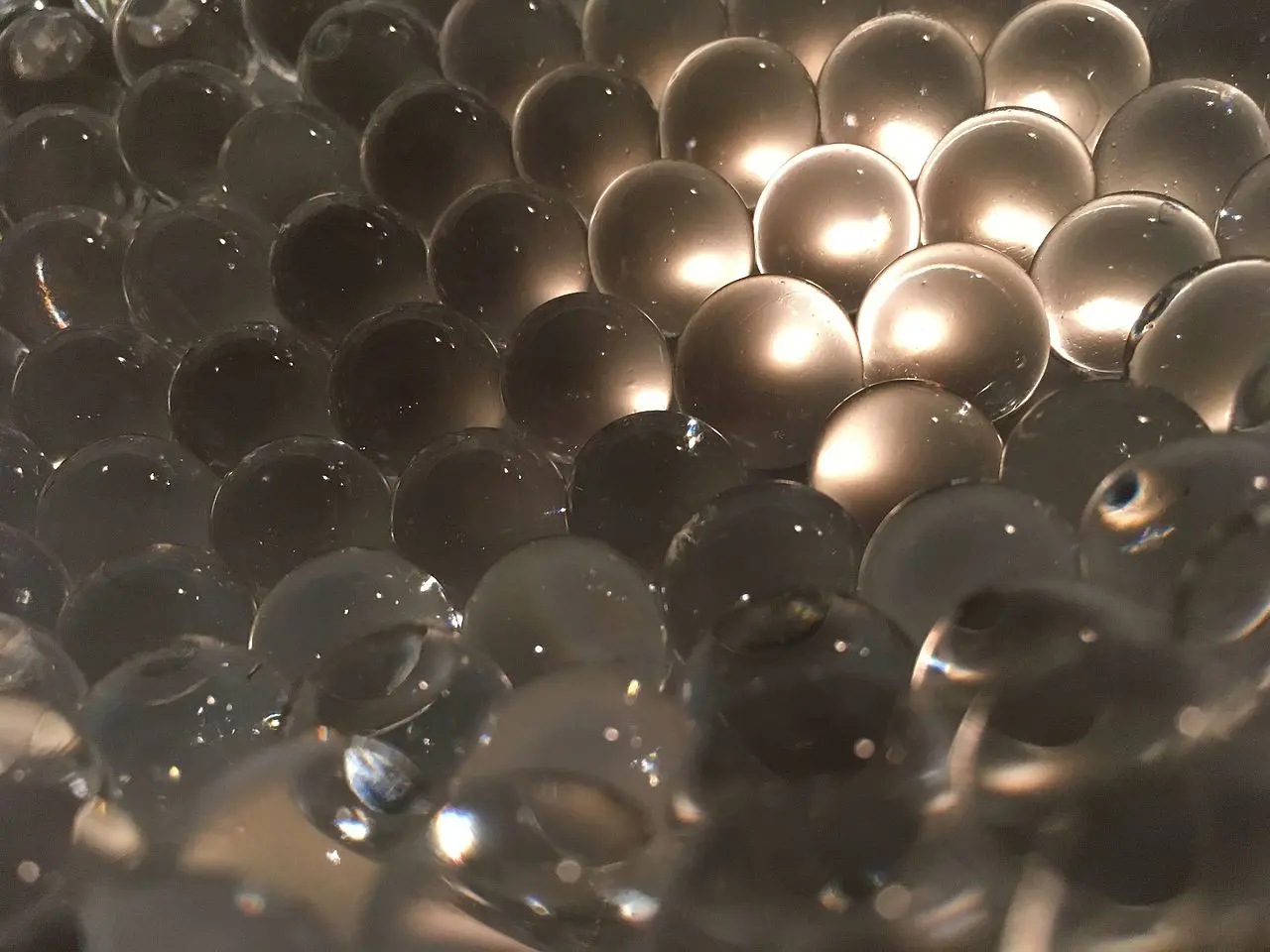
There are large and small molecules. Plastics always consist of large molecules called polymers. Polymers, in turn, consist of many identical small particles that are strung together like a chain. We call these individual small particles monomers. The length of these polymer chains determines the properties of plastic. For example, the length of the polymer chain for polyethylene (PE) determines the hardness of this type of plastic.
Properties of plastic
Plastic comes in all shapes and sizes. There is soft and flexible plastic as well as very hard plastic that is nearly as strong as metal. hese various properties can be obtained by modifying the production process, for example by varying the temperature or pressure at which the plastic is processed or adjusting the types of monomers which are used. Manufacturers can add all kinds of chemicals (of which we know 16,000) and keep tinkering with the molecular structure of plastic. The word plastic literally means ‘malleable’, meaning that you can squeeze the material into a shape and that it retains that shape after cooling. The plastic industry is constantly looking for new types of plastic and applications. There are at least 145,000 of patented plastics that all differ from one another. E Examples of synthetic polymers are polystyrene (PS), polyethylene (PE), polyethylene terephthalate (PET), polypropylene (PP) and polyvinyl chloride (PVC).
Plastic comes in all shapes and sizes. There is soft and flexible plastic as well as very hard plastic that is nearly as strong as metal. hese various properties can be obtained by modifying the production process, for example by varying the temperature or pressure at which the plastic is processed or adjusting the types of monomers which are used. Manufacturers can add all kinds of chemicals (of which we know 16,000) and keep tinkering with the molecular structure of plastic. The word plastic literally means ‘malleable’, meaning that you can squeeze the material into a shape and that it retains that shape after cooling. The plastic industry is constantly looking for new types of plastic and applications. There are at least 145,000 of patented plastics that all differ from one another. E Examples of synthetic polymers are polystyrene (PS), polyethylene (PE), polyethylene terephthalate (PET), polypropylene (PP) and polyvinyl chloride (PVC).
Two groups of plastics
There are two groups of plastics, thermoplastics and thermosets. The first group, thermoplastics, become soft upon heating, which means that in principle they can be melted again and shaped in a mold. These are the plastics that can be recycled. Thermoplastics include film/wrap, bottles, clothing, polystyrene and many more products. Thermosets, on the other hand, can no longer be melted down once they have been produced. They remain hard even after heating. We find these kinds of plastics in electrical sockets and the hulls of sailing boats. Neither group truly breaks down naturally after they are released into the environment, but if they do, it is only under very specific circumstances.
There are two groups of plastics, thermoplastics and thermosets. The first group, thermoplastics, become soft upon heating, which means that in principle they can be melted again and shaped in a mold. These are the plastics that can be recycled. Thermoplastics include film/wrap, bottles, clothing, polystyrene and many more products. Thermosets, on the other hand, can no longer be melted down once they have been produced. They remain hard even after heating. We find these kinds of plastics in electrical sockets and the hulls of sailing boats. Neither group truly breaks down naturally after they are released into the environment, but if they do, it is only under very specific circumstances.


_(1).png)