

The Netherlands' Planbureau Leefomgeving (PBL) advocates for numerous measures in a new report to realize the circular economy.
One of the case studies focuses on plastic packaging. The Plastic Soup Foundation agrees with the proposed measures to accelerate the transition.
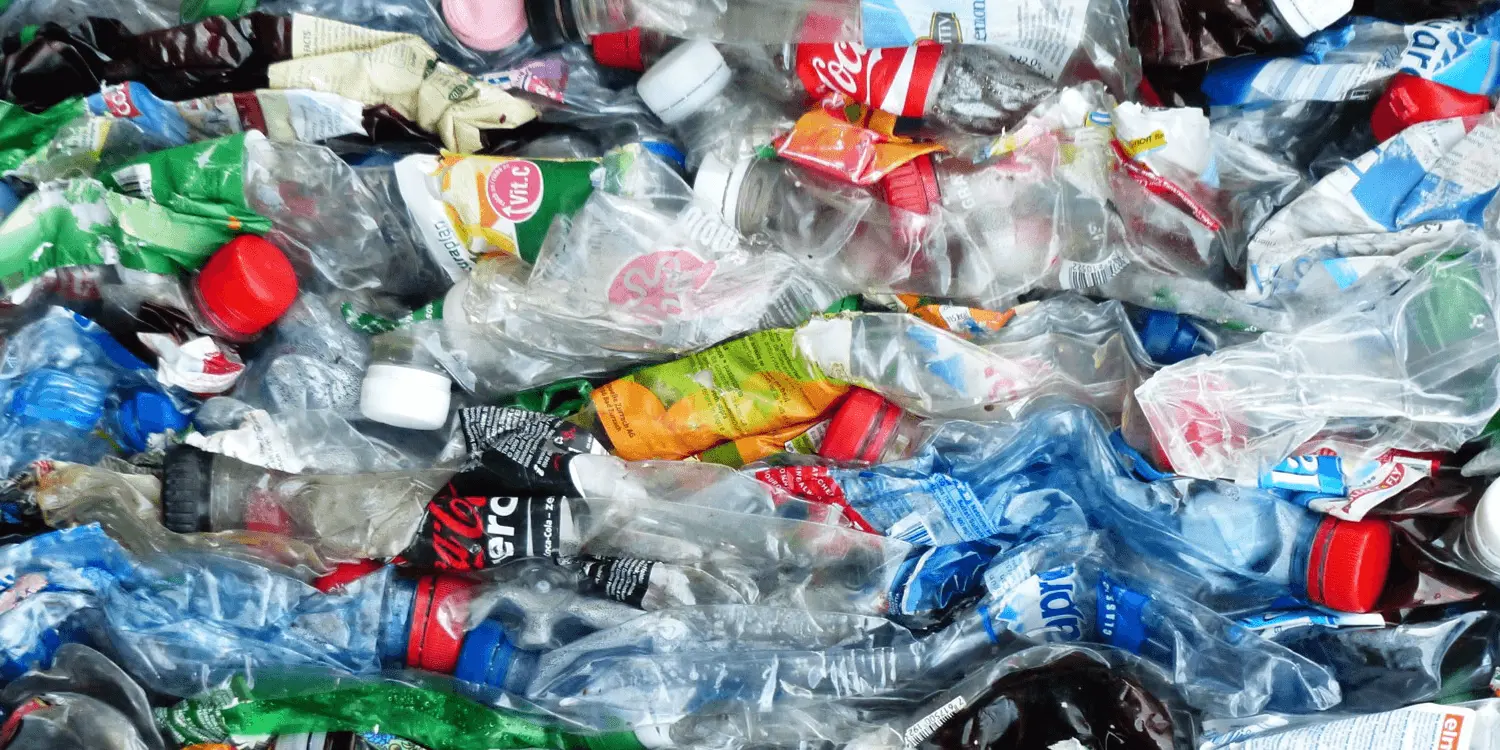
We collectively collect an incredible amount of plastic packaging. Only 18% is used for new packaging, and another 18% for low-quality applications, such as roadside posts. However, the vast majority, 50 to 60%, especially plastic film packaging, ends up in incinerators. The quality of the collected plastic is far too low due to the use of different types of plastic in packaging, along with paper labels and adhesives. This mix is also highly contaminated. The current legal framework provides far too little incentive for redesigning packaging for better recyclability, nor for the high-quality separate collection of plastic, such as through deposit systems.
Perverted incentives must be removed from the system
The PBL, which authored the report alongside other research institutes, points out the perverse incentives in extended producer responsibility (EPR). Producers are financially accountable for the collection, sorting, and recycling of plastic waste. However, they are evaluated based on the weight of the plastic packaging provided, not its quality. This poor quality hinders the reuse of plastic for equivalent applications. The report advocates for a new measurement method.
A series of measures is necessary
To achieve the goal of a circular economy, a series of government measures is necessary, such as:
- Introducing different tariffs for producers, requiring them to pay more for poorly recyclable packaging and less for well-recyclable packaging.
- Setting strict design requirements for packaging.
- Implementing a levy on the use of primary (virgin) plastic.
- Establishing a legal minimum percentage of secondary (recycled) plastic.
- Introducing deposit systems.
- Setting strict design requirements for packaging.
- Implementing a levy on the use of primary (virgin) plastic.
- Establishing a legal minimum percentage of secondary (recycled) plastic.
- Introducing deposit systems.
Priority of R-Strategies
The goal is not only to achieve full circularity but also to drastically reduce the overall use of raw materials. This has not yet been realized. The use of packaging has even increased in recent years rather than decreased. The report thus emphasizes the importance of R-strategies. Not using packaging (Refuse) is more important than reusing (Reuse), and reuse is more important than recycling.
Every avoided packaging item can never enter the environment. Until now, it has primarily been left to the sector itself to reduce the number of plastic packaging, as seen in the voluntary agreements of the Plastic Pact. Now that this has proven to be ineffective, enforceable legal measures are needed.


_(1).png)