

Sleeping on toxic foam
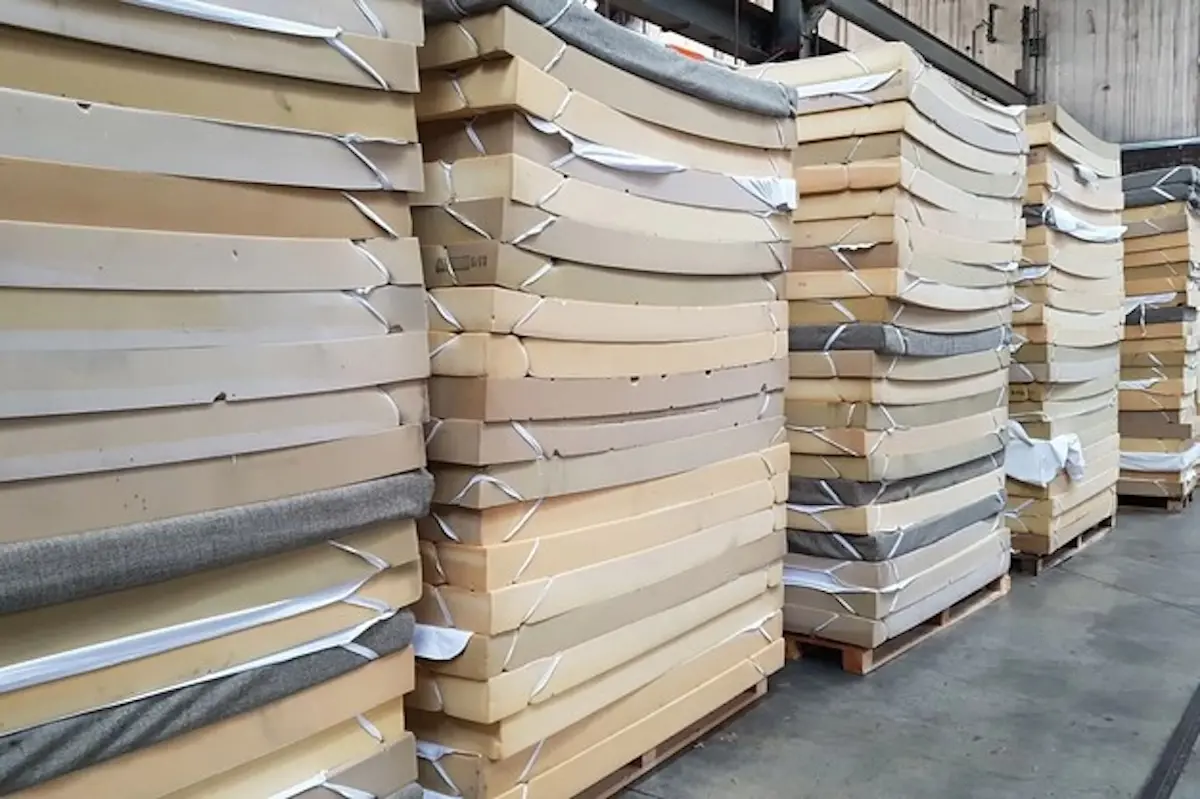
The bedding industry in the Netherlands produces enormous quantities of mattresses every year, a large proportion of which consist of synthetic foam layers that are virtually impossible to recycle. Recent figures from Matras Recycling Nederland show that a record number of no fewer than 1.27 million mattresses were collected recently.
Many manufacturers present this as a success for their ‘100 per cent recyclable’ mattresses, but in practice it often involves downcycling: shredding or transforming material into inferior products such as judo mats or cow bedding.
The industry deliberately opts for these non-repairable mattresses to maximise profits: a short lifespan and the inability to repair them boost sales. For centuries, mattresses were made from natural, bio-based materials such as horsehair, wool and hemp.
Traditional bed makers could easily repair these glue-free mattresses, thereby extending their lifespan by decades and saving raw materials.
In an opinion piece in Trouw, author Marjolein Vaders writes: “We all know the fairy tale of ‘The Princess and the Pea’, who lay awake because of that one tiny pea. By now, we should all be lying awake because of the millions of toxic, non-repairable foam mattresses that are currently literally beneath us.”
And this, despite the fact that bio-based, biodegradable mattresses could very well be the norm.
Source: Trouw, 16 March 2026


_(1).png)