

The new United Nations treaty, the High Seas Treaty, is undoubtedly historic. The treaty will provide a legal framework for the establishment of extensive marine protected areas.
However, plastic in the ocean will not be deterred by a protected status. Plastic floats everywhere. To combat ocean plastic pollution, action on land is primarily needed, which is not covered by the treaty.
Ocean No Longer Unprotected
Outside the territorial waters of coastal states, the sea is freely accessible to everyone, and thus unprotected. This has led to enormous problems, such as overfishing and pollution, and to the realization that this cannot continue. Until now, only 1.2% of the ocean has been designated as protected. After twenty years of negotiation, there is now a treaty to protect 30% of the ocean. The text needs further elaboration, and the 190 member states that agreed to the treaty must still ratify it.
Plastic in the Ocean
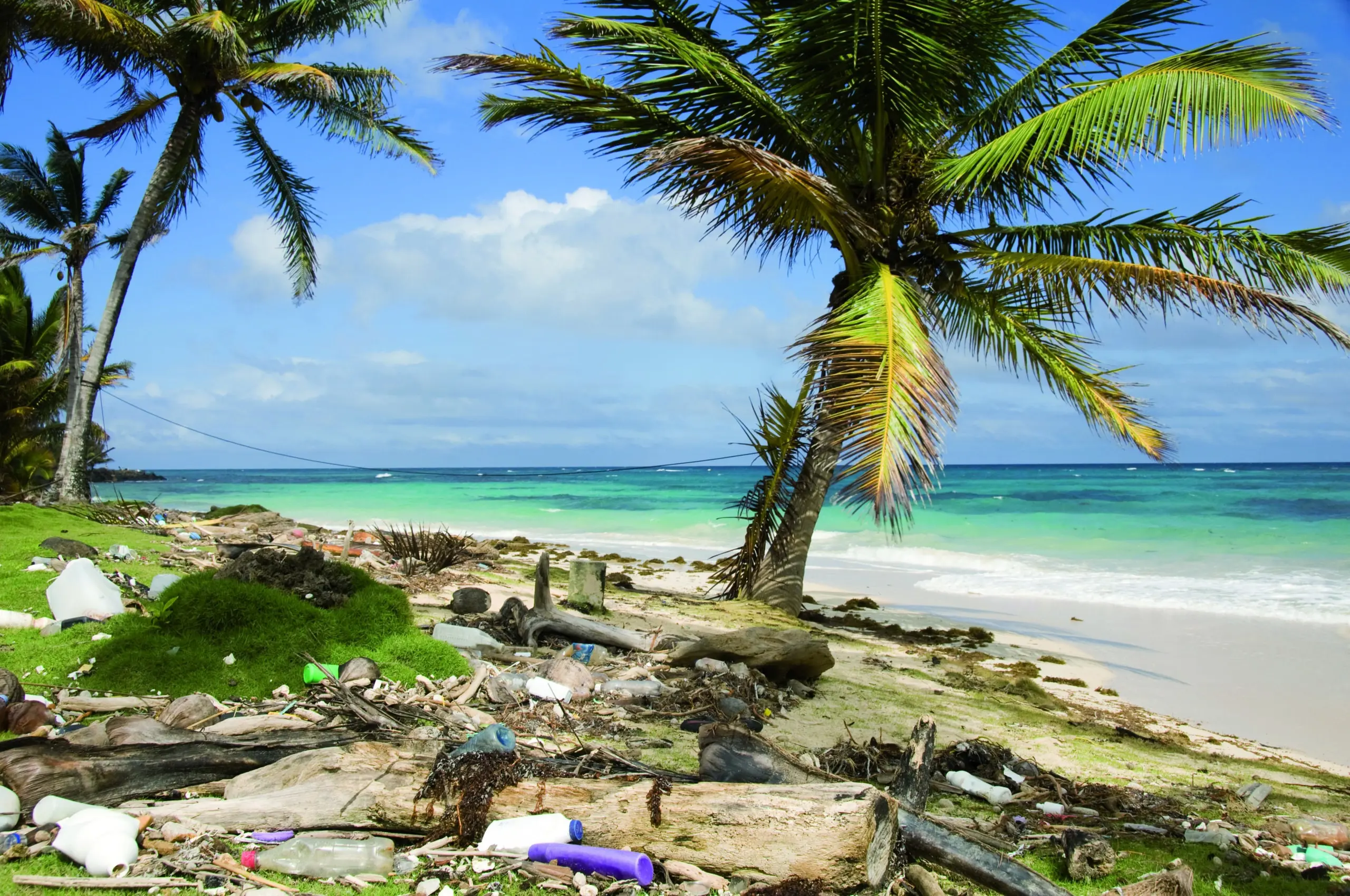
Ocean plastic pollution is considered one of the biggest problems at sea. Animals become entangled in plastic or ingest it. Countless species are affected, from the largest whale to the smallest organism. However, establishing protected areas will not eliminate that plastic. Worse yet, more plastic may continue to accumulate. Cleaning up plastic at sea is largely ineffective, partly because only a fraction floats and the cleanup costs are high. It is much more meaningful to prevent more plastic from entering the ocean, alongside cleaning up plastic that washes up on beaches.
Stop the Inflow
Rivers contribute significantly to ocean plastic pollution. Therefore, we must ensure clean rivers. This can be achieved by installing catchment systems, but especially through policies that prevent plastic from entering the environment in the first place. The UN Water Conference, organized in part by the Netherlands and taking place later this month, offers an opportunity to make agreements specifically on this issue.


_(1).png)