

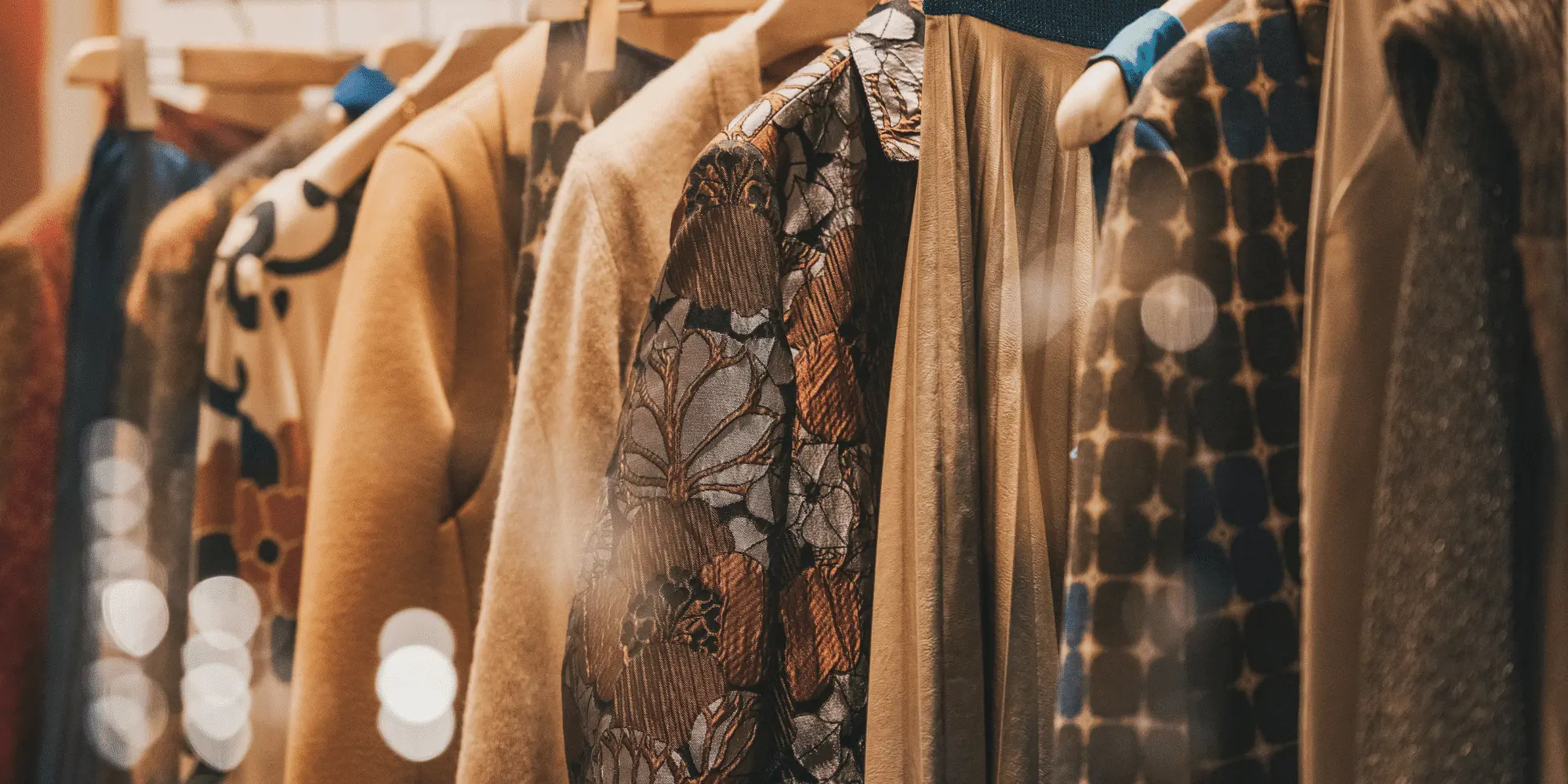
And maybe you've never really looked at the labels in your clothes. When you do, you'll come across words like polyester, nylon, polyamide or acrylic. These are just a few examples of the plastics commonly used in clothing.
During the production, washing, drying and wearing of these clothes, tiny plastic fibres are released and end up in the water and the air. These microfibres have been found in almost everything we eat and drink: fish, seafood, chicken, tap and mineral water, salt and beer. They have made their way into every part of our food chain. As we are at the top of that food chain, there is growing concern about what this means for our health. No place on earth is free of plastic fibres. They end up in the air, and research has shown that they can be carried for kilometres. Plastic pollution can be found everywhere, from Mount Everest to the bottom of the Mariana Trench: from the highest point on earth to the deepest point in the ocean. Research has also shown that textile microfibres accumulate in major cities such as London, Paris and Dongguan. Even in pristine areas such as the Pyrenees or national parks in the United States, the rain contains plastic particles. This almost invisible threat has now reached us.
The first scientific evidence that microfibres affect the lungs
Plastic microfibres are not only present in the outdoor air; they are also found indoors, especially in dust on the floor. Of all the dust in our homes, 33% is microplastic from textiles. This is worrying, because these plastic fibres end up in our food, creating yet another route for plastic to enter our bodies. One study found that people may ingest between 14,000 and 68,000 of these fibres per year. Microplastics were also found in lung tissue as early as 30 years ago. Textile workers who worked with polyester and nylon fibres suffered from symptoms such as coughing, shortness of breath and reduced lung capacity.
The latest research from the University of Groningen (February 2021) is even more worrying and therefore calls for immediate action from governments and the textile industry. Lab experiments show that clothing fibres such as nylon and polyester can hinder the repair and development of lung tissue. Research from the United States has now shown for the first time that the smallest plastic particles in pregnant rats can travel to other parts of the body. The plastic was found not only in the lungs and heart of the pregnant rat, but also in the liver, lungs, heart, kidneys and brain of the foetus. The researchers warn that the same may happen in humans.
Our report “Do clothes make us sick? Fashion, fibers and human health” highlights the scientific research into the effects of microplastic fibres on human health.
Scientific research published in 2024 has shown that microplastics can enter our brains when inhaled through the nose. This is a deeply alarming finding, as the particles found in the study are relatively large (10 microns). This suggests that nanoplastics, which are a thousand times smaller, may also reach our brains, possibly in far greater quantities. Polymers commonly used in textiles were found throughout the samples.
How can you reduce your exposure?
Ventilate and vacuum your home regularly to remove plastic fibres. When buying clothes or household textiles, choose natural, sustainably sourced materials wherever possible. Try to avoid fast fashion, as this system encourages the overconsumption of clothing, particularly clothing made from synthetic materials such as polyester. Or buy your clothes second-hand. Want more tips? Download our free guide so you know what you're buying and wearing.