PFAS, short for per- and polyfluoroalkyl substances, are a large family of human-made chemicals. Some have been used to make rain jackets repel water, pans resist sticking and burger wrappers keep grease from soaking through. Many PFAS break down so slowly in the environment that they have earned the nickname `forever chemicals´. PFAS Explained
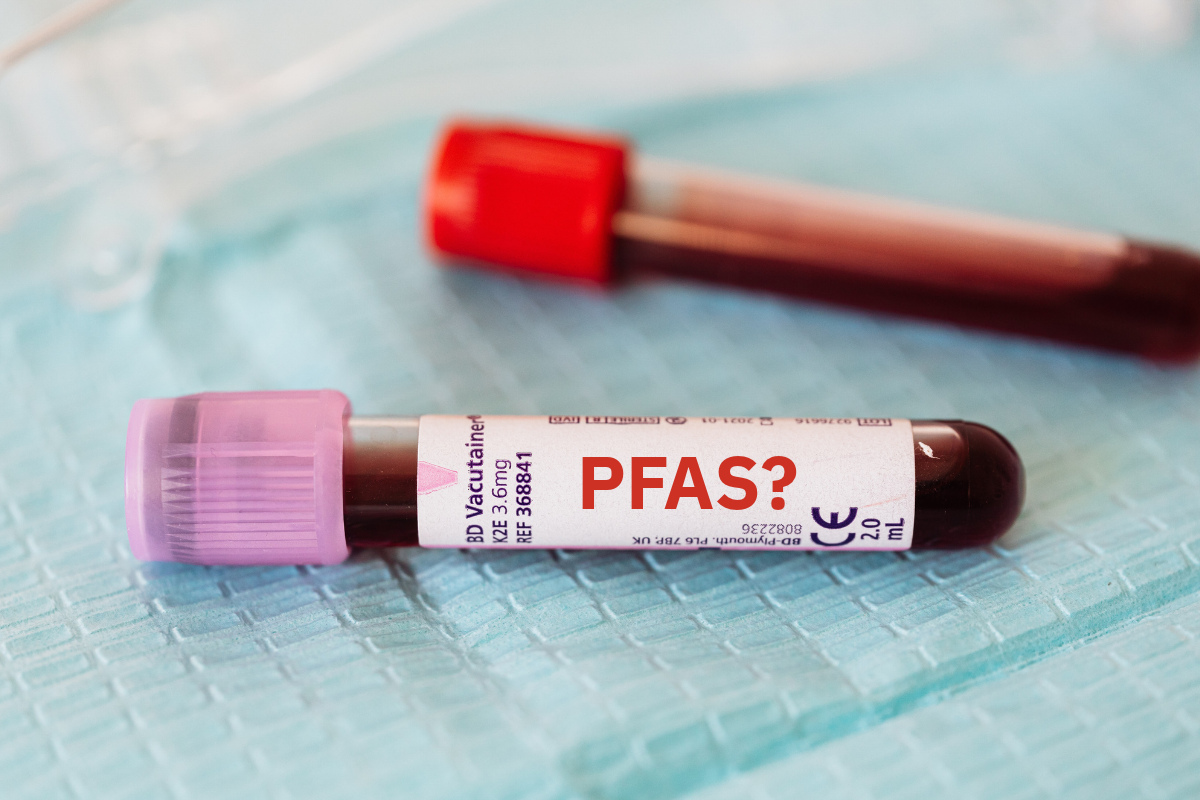
Food and drinking water are two ways we can be exposed to PFAS. Studies have linked exposure to some of these chemicals with higher cholesterol, and the World Health Organization has identified 18 PFAS whose potential health effects pledge for closer study. The UK research will help scientists understand how much people are exposed to these chemicals and guide future research into what those levels mean for health. WHO
The UK government has already committed to reducing PFAS exposure. What will the government do to keep more of these chemicals from getting into our food and water in the first place?
Other governments should follow the UK´s lead by measuring which chemicals people are exposed to and at what levels. They should also fund research into how plastics and the chemicals added to them contribute to that exposure, and what it could mean for our health. The UK has taken a step in that direction. When will other European governments follow its example? And more specific: the Dutch government?