

.png?version=16939)
Together with key players in sustainability we conducted a recent investigation into 50 of the world’s biggest fashion brands. It reveals a troubling reality. Despite mounting evidence of harm, much of the industry is doubling down on synthetic materials, the very fibres driving microplastics pollution, while delaying meaningful action. The rise of plastics in clothing
Today’s fashion industry runs on synthetic fibres like polyester, nylon, and acrylic: all derived from fossil fuels. These materials now make up around 69% of global textile production, and that number is expected to climb up to 80% in 2030.
Why? Because synthetics are cheap and versatile. Polyester, for example, costs about half as much as cotton, making it the go-to fabric for fast fashion brands producing large volumes of low-cost clothing.
But this affordability comes at a steep price. A few key facts:
- In 2022 alone, polyester production generated 125 million tonnes of CO₂ emissions
- The fashion industry produced 8.3 million tonnes of plastic pollution in 2019
- Synthetic clothing sheds microplastics, tiny plastic particles, every time it’s worn and washed
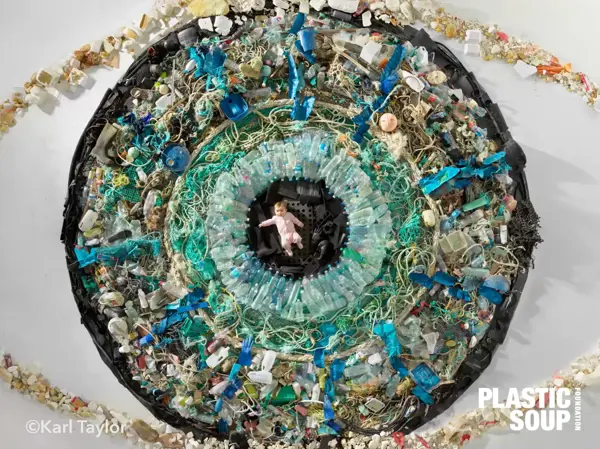
These microscopic fibres don’t just disappear. They end up in oceans, soil, and even our bodies.
Microplastics: from your wardrobe to your body
Microplastics from clothing have now been found in:
- Lung tissue
- Blood vessels
- Human placentas
- Brain tissue.
Early research links these particles to chronic inflammation, which is associated with serious conditions like heart disease, asthma, and even cancer. There’s also evidence suggesting an increased risks of stroke and heart attacks.
While the full health impact is still being studied, the direction is clear: synthetic clothing is not just an environmental issue: it’s a human one.
Brands are using more synthetics, not less
Despite these risks, most major fashion brands are increasing their reliance on synthetic fibres or failing to disclose how much they use.
Key findings from the report include:
- Over half of brands (54%) failed to fully respond to questions about their material use
- 45 out of 50 brands ranked in the lowest categories for transparency and action
- Many companies have actually increased their use of synthetics in recent years
- Some brands that pledged reductions have quietly gone in the opposite direction.
In short, transparency is declining just as the problem grows.
Protect yourself and others from microplastics exposure
With our free PlasticFreeFuture app, you’ll be able to scan the labels in your wardrobe for plastics and make more informed choices starting in mid-august 2026.
From then on, join our #ScanYourCloset challenge. The app is available to download for free from Google Play and the Apple Store.


.png)