

The figures
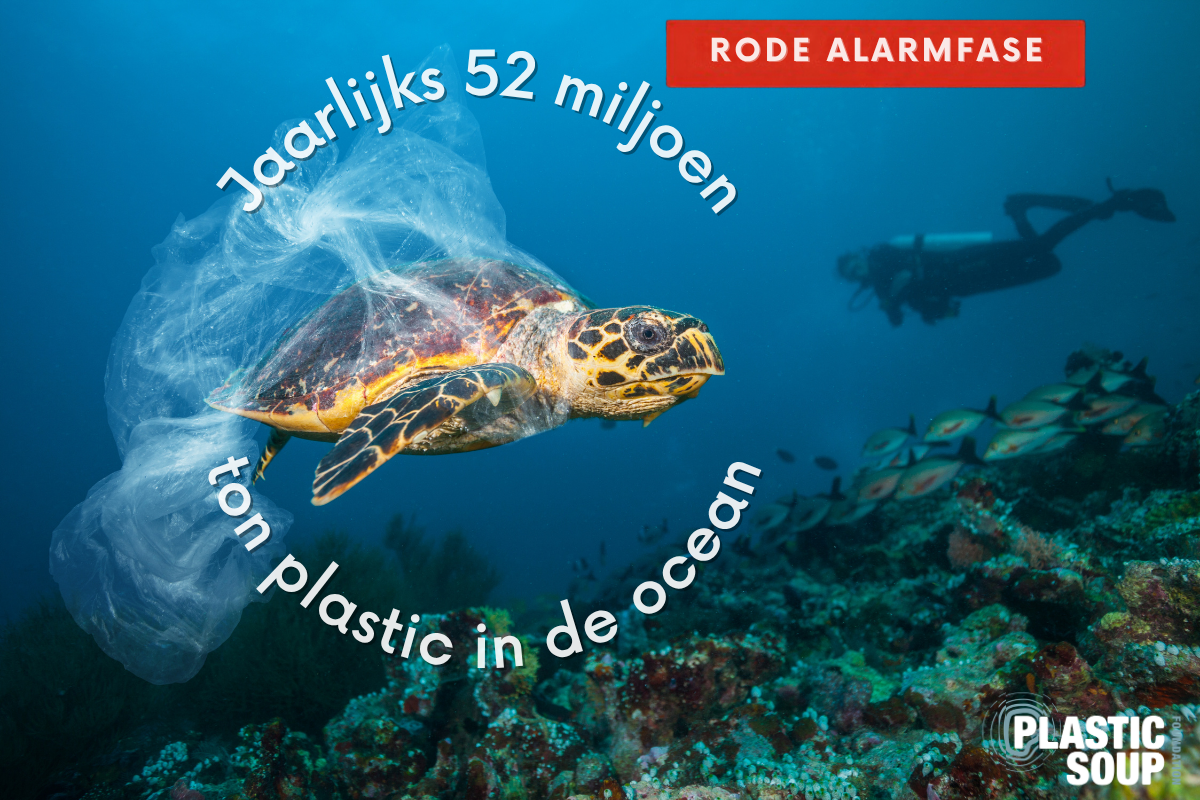
According to the assessment, around 52.1 million tonnes of plastic waste enter the ocean every year. This plastic breaks down into an estimated 24.4 trillion microplastic particles in the upper layer of the oceans alone. This figure is based on previously published scientific research into more than 8,000 ocean samples worldwide, collected between 2000 and 2019. These particles are estimated to affect more than 4,000 marine species, as animals become entangled in them, ingest them or are exposed to the chemicals they contain.
Ian Butler, one of the report's editors, warns that the coming decade will be decisive. Without rapid and coordinated global action, the health of the ocean will continue to decline, with consequences for climate stability, biodiversity, food security and the wellbeing of billions of people.
Ian Butler, one of the report's editors, warns that the coming decade will be decisive. Without rapid and coordinated global action, the health of the ocean will continue to decline, with consequences for climate stability, biodiversity, food security and the wellbeing of billions of people.
Hard evidence for the first time: plastic is shrinking a bird population
In addition, researchers Jennifer Lavers, Hayley Worthington and Alexander Bond, affiliated with the Natural History Museum and Adrift Lab, spent 15 years monitoring the flesh-footed shearwater (Ardenna carneipes) on Lord Howe Island, Australia, one of the most plastic-contaminated bird species in the world.
Their research shows that parent birds mistake floating plastic for food and then feed it to their chicks. According to the researchers, science on the effects of plastic on wild populations lags around 30 years behind research into other environmental crises, precisely because long-term data on population effects is so scarce.
.png)