

For decades, wealthy countries have exported large quantities of plastic waste to countries with fewer resources to manage it safely. This has often shifted the environmental and health consequences of plastic consumption onto communities far beyond Europe's borders. That practice is now facing a major restriction: from 21 November 2026, the EU will ban exports of plastic waste to non-OECD countries.
The ban is part of the EU's revised Waste Shipment Regulation, which entered into force in May 2024. It marks an important step towards greater responsibility for the waste generated within Europe. Rather than sending plastic waste elsewhere, the EU must increasingly deal with the consequences of its own consumption.
Where will Europe's plastic waste go?
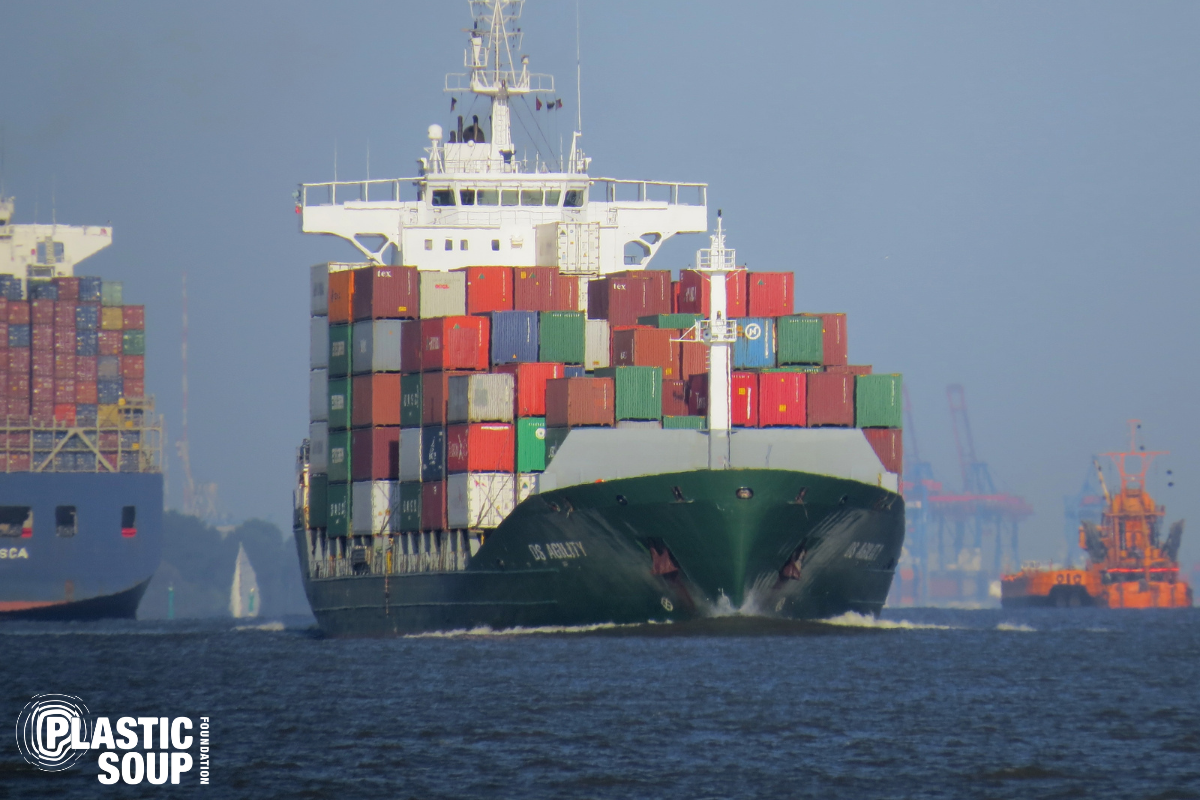
The scale of the problem is considerable. The EU generates approximately 40 million tonnes of plastic waste every year and exports between 1 and 1.5 million tonnes.
In 2025, around half of these exports went to non-OECD countries. Malaysia received approximately 276,000 tonnes, Indonesia 215,000 tonnes and Vietnam 137,000 tonnes. Türkiye was the largest destination overall, receiving around 510,000 tonnes, while the United Kingdom received 108,000 tonnes.
Plastic waste exports can place a significant burden on receiving countries, particularly where recycling and waste management infrastructure is insufficient. Waste that cannot be properly recycled may end up in landfills, be burned in the open air or leak into rivers and oceans.
The new ban recognises that exporting plastic waste is not a sustainable solution to Europe's waste problem.
A ban with an important deadline
The restrictions on plastic waste exports to non-OECD countries will remain in place until at least 21 May 2029. After that date, countries may apply to receive plastic waste from the EU, provided they can demonstrate that they are capable of managing it in an environmentally sound manner.
Exports to OECD countries will remain possible, but they will face greater scrutiny. The European Commission is monitoring these shipments and assessing whether receiving countries have sufficient capacity to manage plastic waste responsibly.
The EU is also working to strengthen its own recycling industry. Measures announced in December 2025 aim to stimulate investment, innovation and the market for recycled plastics.
These developments are important, but recycling alone cannot solve the plastic pollution crisis. Much plastic is difficult or impossible to recycle effectively, and recycling does not address both the environmental and health impact of producing and consuming ever-increasing quantities of new plastic.
What does this have to do with fast fashion?
The EU export ban also raises an important question about the products that generate plastic waste in the first place. One particularly relevant example is fast fashion.
Ultra-fast fashion companies such as SHEIN fuel a business model based on producing and selling enormous quantities of cheap clothing, much of it made from synthetic materials such as polyester, nylon and acrylic. These plastics are derived from fossil fuels and can release microplastics throughout their life cycle, including during washing and wearing.
And the problem does not end when clothes are discarded. Unwanted and unsold garments contribute to growing textile waste streams, which are increasingly difficult to manage. Synthetic textiles can remain in the environment for decades, while their disposal can create further pollution.
Through its SHEIN On You campaign, Plastic Soup Foundation challenges the environmental consequences of ultra-fast fashion and calls attention to the plastic pollution associated with synthetic clothing.
The connection is clear: Europe cannot claim to be tackling plastic pollution while continuing to support a throwaway culture that generates ever more plastic products and waste. Preventing waste must go hand in hand with taking responsibility for what has already been produced.
Although this is a welcomed development, in order to make meaningful progress, Europe must go further: reduce unnecessary plastic production, move away from disposable products, strengthen reuse systems and hold producers accountable for the full life cycle of their products.